

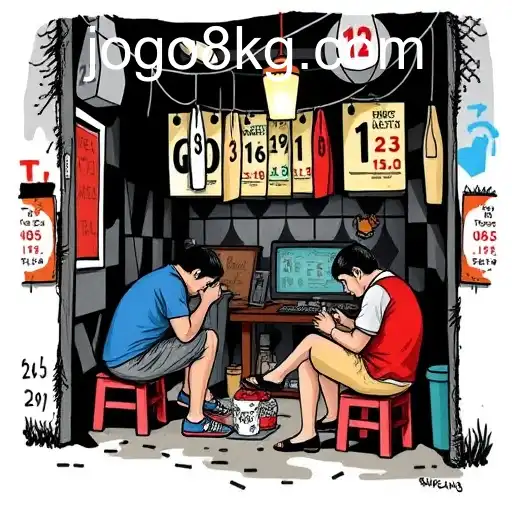

Jueteng holds a unique place within the socio-cultural fabric of the Philippines, stubbornly persisting despite numerous governmental attempts at eradication. This clandestine numbers game, believed to have originated during Spanish colonial times, continues to impact various aspects of everyday life in the country.
The operation of Jueteng is both simple and complex. At its core, it is a numbers game where bettors select a combination of two numbers from 1 to 37. These bets are collected by "kubradors," the individuals tasked with gathering stakes from players. The winning number combination is typically drawn twice a day.
The allure of Jueteng lies in the fact that it allows for a small investment with the potential for high returns. The game is mostly concentrated in lower-income communities, where even a small win can significantly impact a player’s financial situation. This makes it a potent attraction despite its illegality.
Jueteng is deeply rooted in Filipino society, more than just a gamble. It acts as a social equalizer, cutting across class boundaries where rich and poor alike partake in the thrill of chance. The game's embeddedness in the culture is such that it has become a common activity in many neighborhoods and a part of the local color.
Over the years, Jueteng has been romanticized in various forms of media, from films to telenovelas, reinforcing its presence in the national consciousness. This cultural portrayal has helped sustain its popularity, making it a challenge to eradicate.
While Jueteng may seem innocuous at first glance, its implications run deeper, especially in political circles. The game is notoriously linked to corruption within both local and national government, with allegations of officials being on the payroll of these illegal operations. Such accusations have reached the highest echelons of power, with more than a few political careers marred by Jueteng-related controversies.
Historically, Jueteng money has allegedly been used to fund political campaigns, offering a hidden stream of revenue that evades standard financial disclosures. This connection to politics only adds to the complexity of its eradication.
The Philippine government has instituted numerous legislative measures to combat Jueteng over the years, yet these efforts have largely been unsuccessful. The persistence of Jueteng is due in part to its economic importance in some communities, where the payout from the game exceeds legal means of income.
Additionally, enforcement of anti-Jueteng laws is often hampered by the games' underground nature. The decentralized operation with no fixed venues allows it to flourish beneath the radar of law enforcement. Moreover, allegations of police accepting bribes to turn a blind eye add another layer of difficulty.
Economically, Jueteng diverts potential revenue from legitimate state-run gaming operations, such as the Philippine Charity Sweepstakes Office (PCSO). The implications of this are significant, creating a ripple effect on public funding for social services, where funds could be redirected to areas such as healthcare and education.
Socially, Jueteng fosters an environment of deceit and reliance on luck rather than entrepreneurship and hard work. By promoting a culture of gambling, it can lead individuals down a path of financial instability, reinforcing cycles of poverty, particularly in vulnerable communities.
Jueteng is not only a game but a staple subject in Filipino popular culture. Its representation in media often alternates between glorification and cautionary tale, highlighting its dual nature as a source of hope and despair.
Filipino filmmakers and writers often exploit Jueteng's colorful dynamics, portraying its influence on both ordinary lives and the corridors of power. These narratives offer a mirror to societal issues, giving audiences a lens through which they can reassess assumptions about luck, money, and morality.
As efforts to eradicate Jueteng continue, it remains a thorny issue due to its deep-seated roots in society and its entrenchment in political and economic systems. Tackling Jueteng comprehensively requires a rethink in societal attitudes toward gambling, along with stringent legal enforcement and transparent governance.
The journey to address the Jueteng issue reflects a broader struggle within the Philippines: balancing tradition with progress, and informal practices with law and order. It is a challenge that confronts not just policymakers and law enforcers, but Filipino society as a whole.

Delve into the captivating world of BurningWinsX2, a game that combines the excitement of classic slot machines with modern gaming features, making it a must-try for enthusiasts.

Explore the enchanting world of DawnoftheIncas, a captivating game that immerses players in the rich history and culture of the Inca Empire. Learn about the game's intriguing features, mechanics, and the current buzz surrounding the 8kg PH Login phenomenon.

Dive into the world of Luckyjaguar2, exploring its gameplay, features, and the unique rules that make it a standout title amid current trends.

Unveiling the captivating world of DABANGGG, a unique gaming experience intertwined with dynamic challenges and exciting gameplay.

Explore WizardsSpell, an engaging game that combines magical elements with strategic gameplay. Learn about its captivating features, gameplay requirements, and the rules that make it an enticing experience.

Discover the thrilling world of SpeedWinner, a game that challenges players to master speed and strategy. With the intriguing keyword 8kg PH Login, unravel the intricacies of gameplay and current trends.
